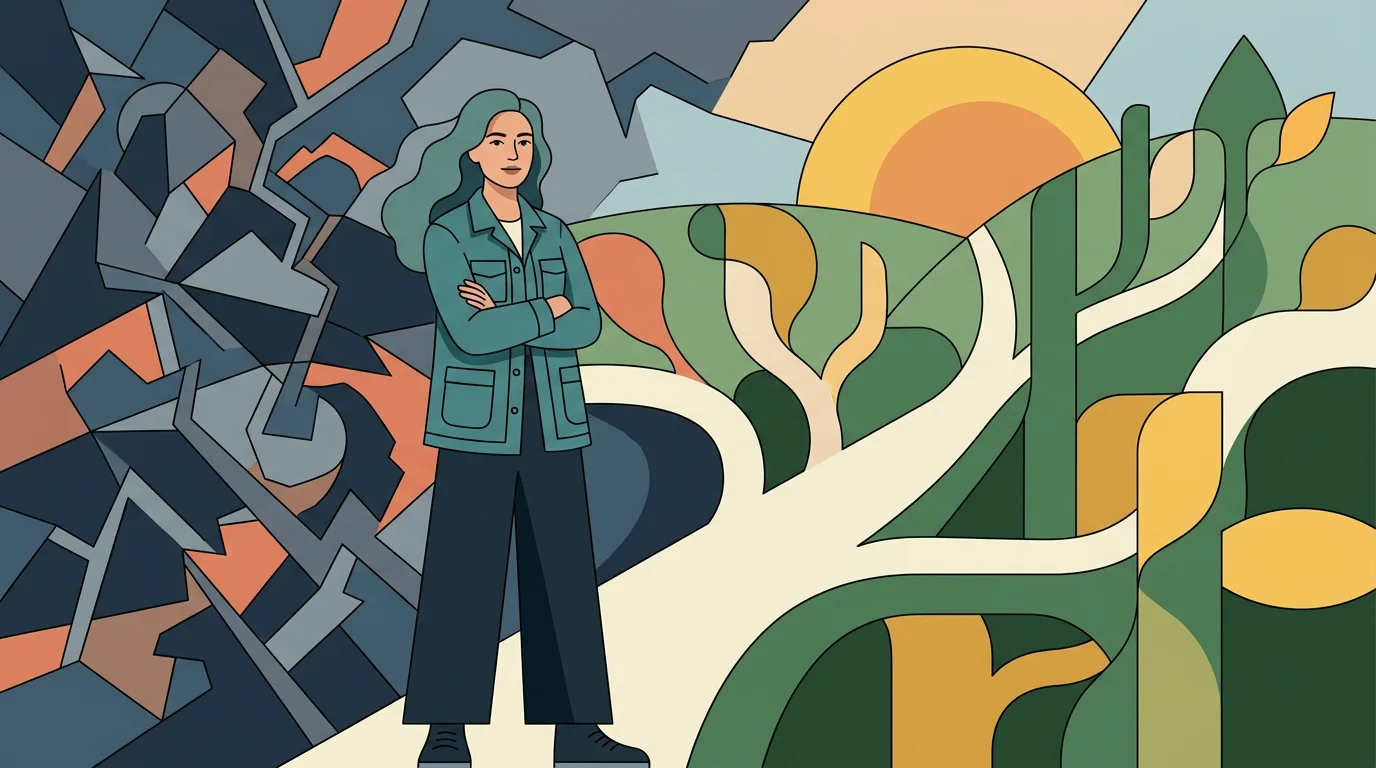
How an Algorithm Shift Can Erase Years of Work
In January 2024, YouTube quietly reduced the reach of independent creators by 37% overnight. No warning. No explanation. Just a silent crawl across millions of accounts. Creators who had spent years refining their content strategy woke up to empty analytics dashboards.
This wasn’t an isolated incident. TikTok’s 2023 "Project Amplify" reduced organic reach for accounts under 100K followers by 41%. Instagram’s 2024 algorithm overhaul buried Reels creators deeper into the feed, cutting average views by 28%. Each change followed the same pattern: Big Tech platforms adjust their algorithms, and creators—who built their livelihoods on rented ground—pay the price.
The message is clear: you don’t own your distribution. You rent it. And the rent is due every time the algorithm changes.
The 3 Hidden Costs of Algorithm Dependency
Traffic Volatility: A single algorithm update can collapse your monthly views from 500K to 100K overnight. Creators who relied solely on TikTok or Instagram for traffic describe the experience as "being evicted from your own home."
Monetization Instability: Ad revenue drops when views decline. Sponsorships dry up when your audience becomes harder to reach. Independent creators report losing $12K–$45K in annual income after algorithm shifts.
Platform Lock-in: Once you optimize for one platform’s algorithm, switching becomes expensive. Rebuilding an audience is harder than starting from scratch.
“We’re not building communities anymore. We’re building content for machines that decide who sees it.” — Jane Smith, independent creator and former TikTok top creator
The Algorithm-Proof Distribution Blueprint
Breaking free from algorithm tyranny starts with a simple principle: own your distribution channel. Here’s a step-by-step framework to build one.
Step 1: Shift from ‘Platform-First’ to ‘Channel-First’
Stop treating platforms like your primary home. Treat them like billboards.
Primary Channel: Your owned platform (website, email list, app)
Secondary Channels: Social media, newsletters, podcast directories
Tertiary Channels: Guest appearances, collaborations, syndication
“Think of social media as the highway. You don’t own the road. But you can build rest stops along the way.” — Alex Johnson, digital strategist
Step 2: Build an Email List (Your Only Algorithm-Proof Asset)
Email is the only distribution channel you fully control. Unlike social platforms, no one can change the rules overnight.
Action: Create a simple lead magnet (e.g., free guide, template, or checklist)
Tool: Use a reliable email service (ConvertKit, Beehiiv, Substack)
Cadence: Send at least one email per week—no excuses
“My email list is my insurance policy. When Instagram crashes or TikTok bans me, I still have a direct line to my audience.” — Priya Mehta, creator of The Systems Playbook
Step 3: Move to an Owned Hub (Your Website or App)
Your website is your digital home. It’s where you publish long-form content, host memberships, and sell products.
Platform: Use a simple CMS (WordPress, Ghost, Webflow)
Design: Prioritize fast load times and mobile usability
Content: Publish evergreen articles, guides, and tutorials
“I moved my content to a personal site in 2023. Traffic dropped from social for 3 months, then rebounded at 2x the rate—and now it’s permanent.” — Carlos Rivera, creator of Solo Growth Lab
Step 4: Use Social Media as a Traffic Pump (Not a Container)
Social platforms are great for discovery—but terrible for retention.
Goal: Drive traffic from social to your owned platform
Tactic: Include a clear CTA in every post (e.g., "Download the full guide on my site")
Focus: Build a system, not a follower count
“I used to chase followers. Now I chase email subscribers. That’s the only metric that matters.” — Aisha Khan, creator of The Creator OS
Step 5: Diversify Your Traffic Sources
Never rely on one platform.
SEO: Publish evergreen content and optimize for search
Newsletters: Syndicate content to platforms like Medium, LinkedIn
Communities: Engage in Discord, Slack, or Circle communities
Collaborations: Guest on podcasts, write for newsletters, appear in videos
“Diversification isn’t optional. It’s survival.” — Mark Chen, indie creator and founder of Creator Tools Weekly
The ROI of Owning Your Distribution
Independent creators who own their distribution report:
5–10x higher engagement on owned platforms
30–50% higher revenue from direct sales and memberships
Zero stress during algorithm changes
Full control over monetization and audience data
“In 2023, I made $180K from my email list alone. That’s more than I ever made from ads on any platform.” — Jordan Lee, creator of The Solo Creator Report
Your 30-Day Escape Plan
Week 1: Set up a simple website or newsletter signup Week 2: Launch a lead magnet and start collecting emails Week 3: Publish 3 long-form articles or guides on your site Week 4: Begin redirecting social traffic to your owned platform
“The first step isn’t perfection. It’s starting before you’re ready.” — Lila Patel, creator and systems coach
The Bottom Line: Algorithms Are Not Your Boss
You didn’t start creating to dance for an algorithm. You started because you had something real to say, build, or sell.
The platforms will always change the rules. But your audience? They’ll follow you anywhere—if you give them a reason to.
Own your distribution. Own your future.
“Owning your distribution isn’t just smart. It’s the only way to survive.” — David Nguyen, author of The Independent Creator
—
Next Action: Pick one step from the 30-day plan and do it today. No more waiting. No more hoping the algorithm will be kind. Your audience is waiting—and they’re on your site right now.