The Problem: Distribution Without Leverage
Independent creators in 2026 still face a fundamental mismatch: attention is temporary, assets are permanent. You post on a platform, get a spike in views, and then watch engagement decay. The algorithm decides your reach today, but unless you convert that traffic into something you control, you’re renting your audience. This isn’t a growth problem-it’s a systems problem.
Most creators optimize for reach, not retention. They chase viral moments on social media, build a following, and then wonder why monetization feels like a constant uphill battle. The issue isn’t their content-it’s their distribution architecture.
In 2026, the creators who win aren’t the loudest or the most polished. They’re the ones who treat their audience like a living asset-one that grows, compounds, and defends itself against platform volatility.
The Creator Flywheel: A 3-Part System
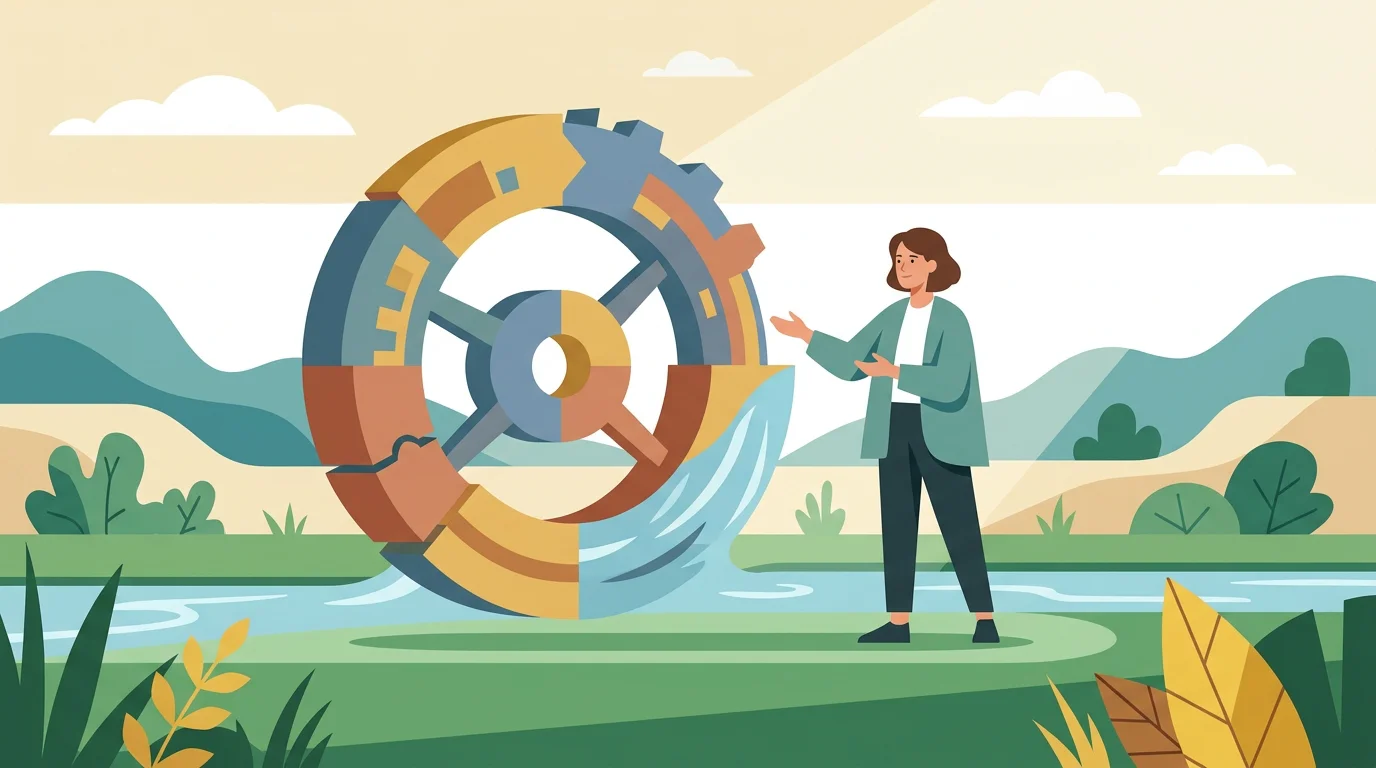
A creator flywheel turns distribution into leverage. It’s not a single campaign or tactic-it’s a closed loop where each part feeds the next. Here’s the framework:
1. Signal → Capture (The Conversion Layer)
Every piece of content should have a clear next step-a way to turn a viewer into a subscriber or customer.
Signals: The hooks, hooks, and attention-grabbing elements in your content (headlines, thumbnails, captions).
Capture: The mechanism that converts that attention into a durable asset (email, community, or owned platform).
Example: A YouTube creator ends every video with: *“If you want the full breakdown, join the private Slack where I share weekly insights-link in the description.”Checklist for Conversion:
Every post has a single, high-signal CTA (not “like and subscribe”)
The CTA points to a controlled asset (email, Discord, Webs site, etc.)
The asset offers immediate value (not just “stay updated”)
Why this works: Algorithms reward engagement. If your content drives clicks to your own hub, the platform sees higher retention-and may surface your content more. But even if it doesn’t, you own the audience.
2. Asset → Network (The Community Layer)
Once you’ve captured attention, the next step is turning subscribers into a network-a group that interacts, creates, and amplifies.
In 2026, communities aren’t just Discord servers or Patreon tiers. They’re self-sustaining systems where members derive value from each other, not just from you.
How to build it:
Seed content: Post prompts, challenges, or AMAs to trigger interaction.
Moderate lightly: Let the community self-police, but set clear rules to prevent toxicity.
Reward contributions: Highlight member spotlights, give shoutouts, or offer exclusive access.
Example: A fitness creator hosts a weekly “30-Day Challenge” in a private app. Members post progress, share tips, and motivate each other-reducing churn and increasing lifetime value.
Warning: Don’t build a community on a third-party platform. Use owned tools (Discourse, Circle, or a Webs site with forums) so you control access and data.
3. Network → Engine (The Monetization Layer)
A community isn’t just for camaraderie-it’s a revenue engine. The more engaged your network, the more opportunities for monetization.
Monetization pathways in 2026:
Tiered subscriptions: Offer different levels of access (e.g., $5/month for early access, $20/month for 1:1 coaching).
Upsells: Promote your course, templates, or consulting directly to engaged members.
Affiliate + sponsorships: Members trust your recommendations-turn them into affiliate offers or sponsored threads.
Key principle: Monetize the behavior, not the audience. If your community thrives on accountability, sell accountability coaching. If they love deep dives, sell premium research.
The Flywheel in Action: A 90-Day Blueprint
Use this timeline to operationalize the flywheel:
Weeks 1-4: Signal → Capture
Audit your top 3 platforms. For each, identify the top-performing post in the last 30 days.
Rewrite the caption to include a strong CTA pointing to your email list or community.
Set up a simple landing page (Webs, Carrd, or Gumroad) with a freebie (e.g., checklist, template, guide) in exchange for an email.
Weeks 5-8: Asset → Network
Launch a low-friction community (Discord or Circle) with 10-20 high-engagement members.
Post 3x/week with prompts (questions, challenges, polls).
Seed the first 5 discussion threads yourself to set the tone.
Weeks 9-12: Network → Engine
Identify the top 3 members by engagement. Ask them to beta-test a paid offer (e.g., a $49 guide or 30-minute call).
Run a limited-time offer to the rest of the community (e.g., “First 10 members get 50% off”).
Track conversion rates. Aim for 3-5% of active members converting to paid.
Ongoing: Double down on what works. If email converts best, double email signups. If community engagement is high, launch a paid tier.
The Only Metric That Matters: Asset Velocity
Most creators track vanity metrics (followers, likes, views). The real metric is asset velocity-how quickly you turn attention into assets, and assets into revenue.
Track these weekly:
New subscribers (email or community)
Engagement rate (messages sent, threads created, replies)
Revenue per engaged member (not total revenue)
If these numbers are consistently increasing, your flywheel is working.
The Hard Truth: No Shortcuts
The creator flywheel isn’t a hack. It’s a system-one that requires discipline, iteration, and patience.
But in 2026, it’s the only way to escape the algorithm treadmill. The creators who build it first will have an asset that compounds for years.
Start today: Pick one platform. Audit your last post. Add one clear CTA. Set up a landing page. That’s your first step.
The flywheel starts spinning when you stop chasing reach-and start building leverage.