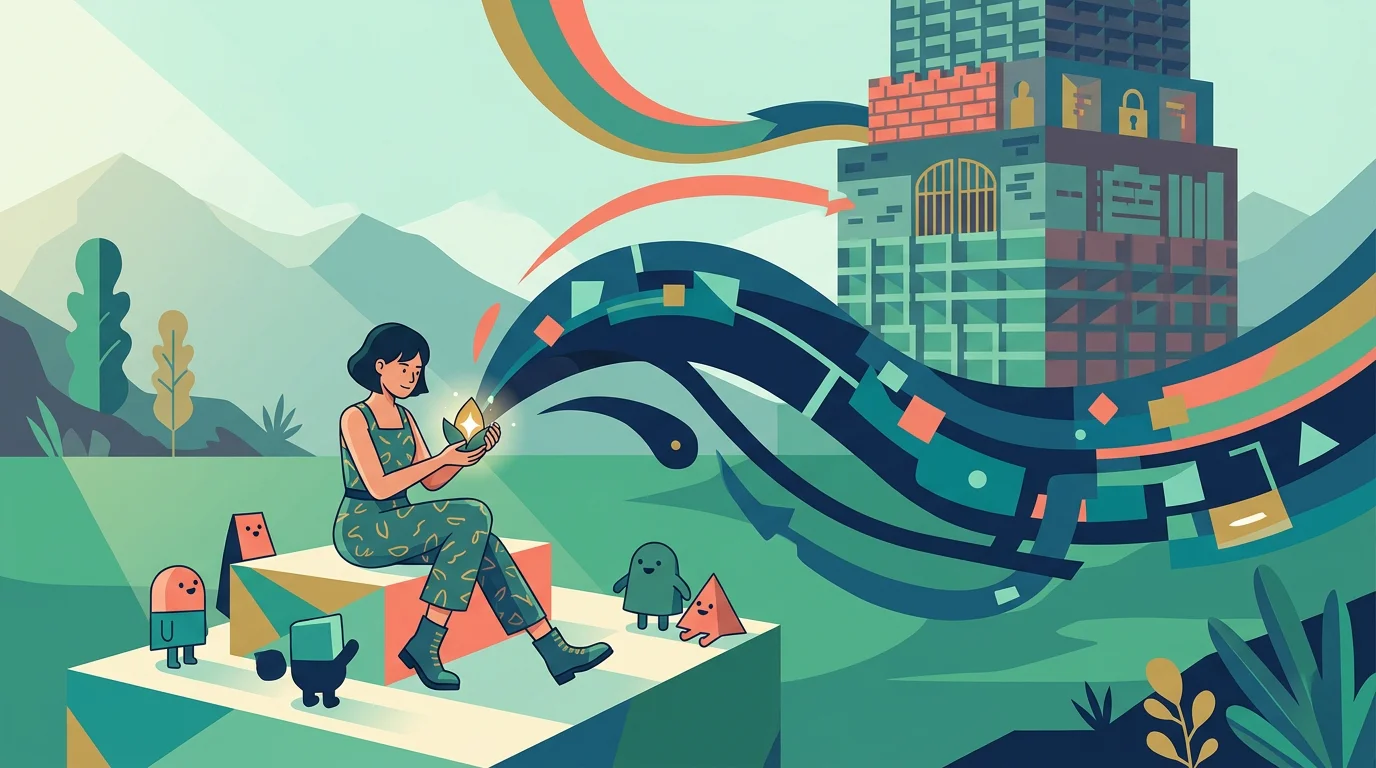
The Hidden Cost of Renting Your Audience: Why Ownership Is the New Creator Survival Strategy
The Problem: You’re Building Someone Else’s Asset
If you’re an independent creator, your social media following is not yours. It’s a rented audience—one that lives on platforms you don’t control, governed by algorithms you don’t program, and policies you can’t challenge. Every swipe, like, and share is a metric that belongs to the platform, not you. And every time the algorithm shifts or the platform pivots, your visibility—and often your income—can evaporate overnight.
Recent data from the Creator Economy Investor Report 2024 shows that 68% of full-time creators experienced a decline in reach or engagement after a major platform algorithm update. Worse, 42% reported a drop in monetization within 30 days of such changes. These aren’t hypothetical risks; they’re recurring costs of renting attention.
“You’re not building a business—you’re building a dependency,” says Li Jin, founder of Atelier Ventures and a leading voice in the creator economy. “When the platform wins, you win. When it loses, you lose too.”
This dependency has created a paradox: the more successful you become on social media, the more vulnerable you are to its whims. Success is measured in vanity metrics—followers, views, likes—none of which translate directly to revenue or control. A viral post doesn’t pay rent. It doesn’t build equity. It doesn’t secure your future.
The Solution: Shift from Rented Attention to Owned Assets
The sustainable path forward is not to abandon social platforms—it’s to stop treating them as your primary home. Instead, treat them as traffic sources that feed into systems you own. This shift from renting to ownership isn’t just strategic; it’s existential.
1. Own Your Email List: The Original Independent Asset
Email remains the only digital channel where you control both the delivery and the audience. Unlike social feeds, your email list isn’t subject to algorithm changes or platform bans. It’s a direct line to your community.
According to ConvertKit’s Creator Trends Report 2024, creators who prioritize email over social see 3x higher revenue per subscriber and 40% lower churn. Email converts at 3–5%, while organic social averages under 1%.
“Email is the only platform where the relationship is reciprocal by default,” says ConvertKit CEO Barrett Brooks. “The inbox is yours. The content is yours. The audience is yours.”
Next Action: Move your primary call-to-action from “Follow me” to “Subscribe to my newsletter.” Use a double opt-in to ensure quality leads, and segment your list by interest or behavior. Start with a weekly digest—consistent, valuable, and platform-free.
2. Launch a Membership or Paid Community
Renting attention is free until it isn’t. Monetizing a community on a third-party platform means paying platform fees, sharing revenue, and facing sudden policy shifts. A self-hosted membership flips the model: you keep 100% of revenue, control access, and build recurring income.
Platforms like Podia, Circle, and Webs now make it possible to launch a paid community in under a week—without coding. Webs, for instance, offers templated community pages, custom domains, and gated content options, letting creators build a hub that looks and feels like their brand.
“Creators who move from ad revenue to subscription income grow 2.5x faster and sleep better,” says Tara McMullin, creator and host of the What Works podcast.
Next Action: Identify your top 100 most engaged followers across platforms. Invite them to a private beta of your membership. Price it at a premium level—$10–$30/month—and validate demand before scaling.
3. Build a Content Hub on Your Own Domain
Social platforms are great for discovery, but a website is your anchor. It’s the only place where you can publish long-form content, showcase products, and collect payments without intermediaries.
The rise of no-code website builders has made this accessible. Tools like Webs, Squarespace, and WordPress with Elementor now offer templated designs for creators, enabling quick setup of blogs, portfolios, and even mini e-commerce stores.
According to a 2024 study by CreatorIQ, creators with a personal website see 60% higher conversion rates from social traffic and 4x longer engagement per visit than those who rely solely on link-in-bio tools.
Next Action: Buy a custom domain (yourname.com) and migrate your best-performing content from social into a blog format. Use SEO-friendly titles like “[Your Topic] Guide: 2024 Update.” Publish weekly and repurpose snippets for social.
4. Diversify Revenue Beyond Sponsorships
Relying on brand deals or ad revenue is the ultimate form of rented income. Platforms take 30–50% of ad revenue; sponsorships often require exclusivity clauses or platform approvals.
Independent creators are shifting to diversified streams: digital products (e.g., courses, templates), affiliate partnerships (with full disclosure), and direct sales via their own storefront. According to the State of the Creator Economy 2024 by ConvertKit and Beacons, creators with 3+ revenue streams grow 37% faster and are 60% less likely to quit.
“Don’t put all your income eggs in the platform basket,” advises Pat Flynn, founder of Smart Passive Income. “If one stream dries up, you’re not starting from zero.”
Next Action: Audit your current income sources. Identify one new revenue stream to launch in the next 90 days—e.g., a $29 PDF guide, a $99 workshop, or a $10/month template club.
The Long Game: From Creator to Business Owner
The creator economy is maturing. The winners aren’t those with the most followers—they’re those with the most control. Ownership isn’t just about income; it’s about autonomy, resilience, and legacy.
The Ownership Checklist (Do This Now)
Migrate your top 1,000 followers to an email list within 30 days
Launch a paid community or membership with a beta cohort
Publish your best content on your own domain weekly
Add one new revenue stream beyond ads/sponsorships
Set a 90-day revenue independence goal (e.g., 30% of income from owned channels)
Bottom Line: Stop Feeding the Algorithm
Social platforms are tools, not homes. Use them to attract attention, then funnel it into systems you control. The creators who thrive in 2025 won’t be the loudest on Instagram or TikTok—they’ll be the ones who own their audience, their content, and their income.
As Li Jin puts it: “Audiences are assets. Assets belong in your portfolio—not someone else’s platform.”
Now is the time to build something that lasts.
—
Sources: Creator Economy Investor Report 2024 (SignalFire), ConvertKit Creator Trends Report 2024, State of the Creator Economy 2024 (ConvertKit & Beacons), interviews with Li Jin (Atelier Ventures), Barrett Brooks (ConvertKit), Tara McMullin (What Works), and Pat Flynn (Smart Passive Income).