The Soul of East Algarve: A Journey Through Tradition and Tides
The East Algarve is a region where time slows, allowing Portuguese tradition to harmonize with breathtaking natural beauty. From ancient fortified strongholds to sun-drenched, family-friendly shores, this coastline offers an authentic glimpse into the country’s heritage. Whether you are seeking hidden culinary gems or landscapes that whisper tales of centuries past, the East Algarve remains one of Europe’s most captivating escapes for 2026.
Cacela Velha
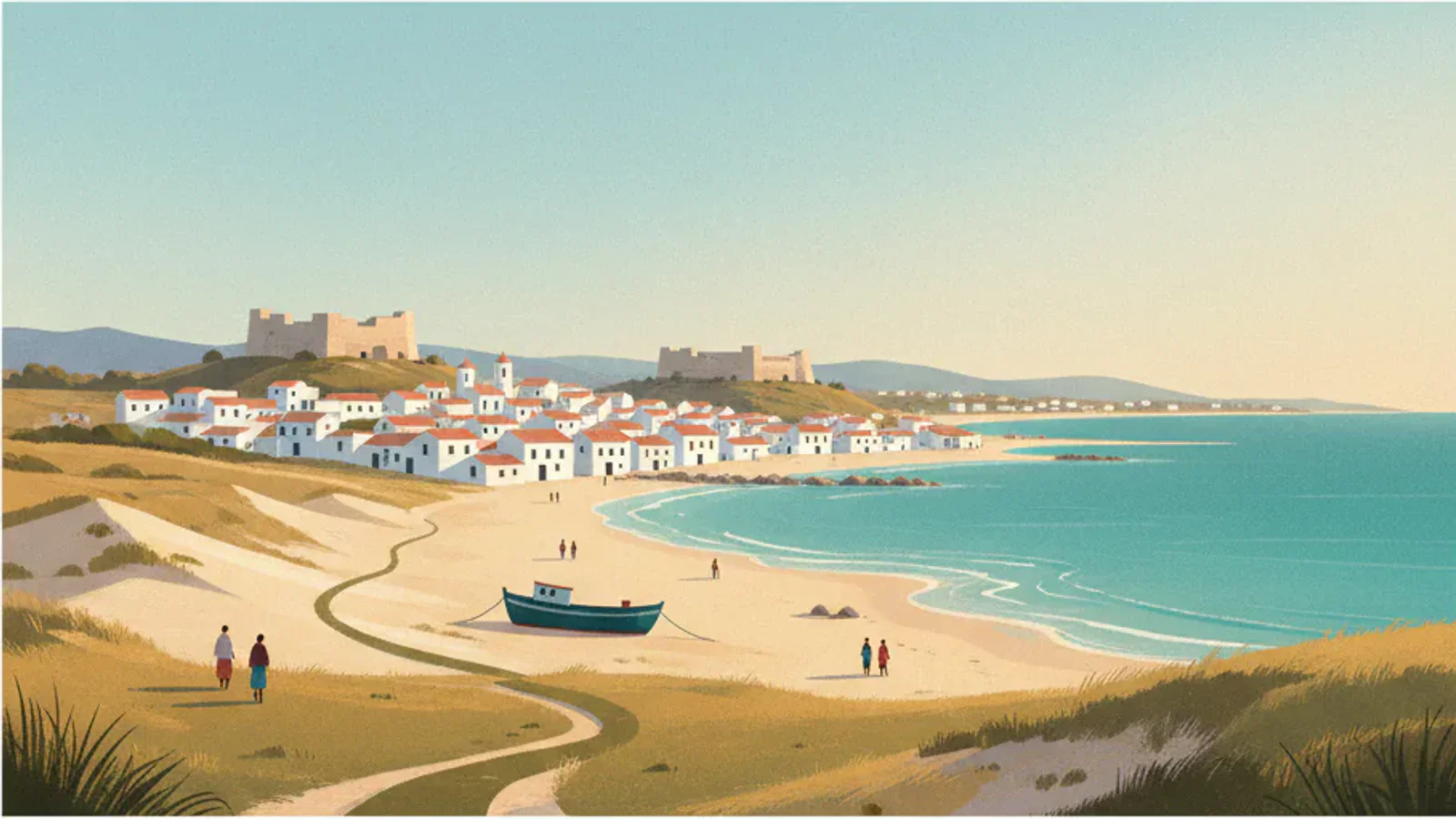
Perched upon a low cliff overlooking the shimmering lagoons of the Ria Formosa, Cacela Velha is a timeless tableau of whitewashed architecture and historic silence. Settled since Phoenician times and once a vital Moorish outpost, this enchanting hamlet exudes a rare, preserved charm. Visitors can wander cobbled lanes to discover the venerable village church and the historic fort—currently a GNR station—which stands as an impressive sentinel over the Atlantic.
The village is a pilgrimage site for epicureans, specifically those seeking the region’s renowned wild oysters. For an authentic taste of the sea, Casa da Igreja and Casa Velha are the local benchmarks. These establishments serve exquisite oysters simply, often with nothing more than a squeeze of lemon. Note that these sought-after spots do not take reservations; arriving early is essential to secure a table.
To reach the pristine sands of Fábrica Beach, frequently cited as one of the most beautiful in the world, a small adventure is required. At low tide, the shallow lagoon can be crossed on foot. At high tide, traditional boatmen ferry visitors across the tranquil waters to the golden barrier islands—a sanctuary of peace and crystalline waters.
Manta Rota
Situated gracefully between Cabanas and Altura, Manta Rota offers a quintessential Algarve experience defined by its vast, Blue Flag beach. The shoreline here is celebrated for its gentle slope and warm Atlantic waters, backed by a protected dune system that provides a serene, natural backdrop for sunbathing and long coastal walks.
Manta Rota maintains a sophisticated, low-rise profile, eschewing high-density tourism in favor of an understated, welcoming atmosphere. While the town provides a full suite of amenities—including inviting cafes and traditional seafood restaurants—it remains a favorite for those who appreciate the art of the slow-paced Portuguese holiday.
During the height of summer, the beachfront is vibrant with open-air entertainment and local markets. As the seasons transition into the quieter months of 2026, the town transforms into a tranquil haven where the rhythmic pulse of the waves becomes the primary soundtrack to your stay.
Altura
Altura is the embodiment of effortless coastal living. This welcoming town is designed for a relaxed pace where the car is rarely necessary. With a superb array of boutiques, supermarkets, and cafes all within walking distance, it serves as an ideal base for families seeking convenience without sacrificing local character.
The culinary scene in Altura is remarkably diverse. Many local eateries offer a prato do dia (dish of the day), providing an authentic and high-quality taste of the region at exceptional value. An elegant boardwalk leads directly to the shoreline, where two popular beachside restaurants offer fresh catch-of-the-day paired with panoramic ocean views. For those desiring a more refined gastronomic experience, the exclusive enclave of Praia Verde is just a short distance away, offering sophisticated dining nestled within a lush pine forest overlooking the sea.
Castro Marim
Standing watch over the eastern bank of the Guadiana River, Castro Marim is a fortified town that serves as a living monument to Portugal’s frontier history. Its strategic position offers a unique vista: to one side, the medieval castle; to the other, the shimmering salt flats of the Reserva Natural do Sapal de Castro Marim.
The town’s 13th-century castle fortifications, commissioned by King Afonso III, invite exploration of the ancient ramparts and offer views that stretch across the river into Spain. Below the battlements, a labyrinth of narrow streets winds past traditional whitewashed homes and quiet squares.
While Castro Marim is perfect for a contemplative afternoon at a local wine bar, it is also highly practical. A short, scenic drive connects you to the handsome border city of Vila Real de Santo António, where grand Pombaline architecture meets a wide selection of premium shopping and international amenities.
For practical day planning, many guests combine two nearby towns in one loop rather than rushing across the whole coast. A useful pattern is morning in one historic centre, late lunch near the coast, and a short sunset walk before returning. In high season, parking and restaurant waits are easiest to manage if you arrive before midday or after early-evening peak time.