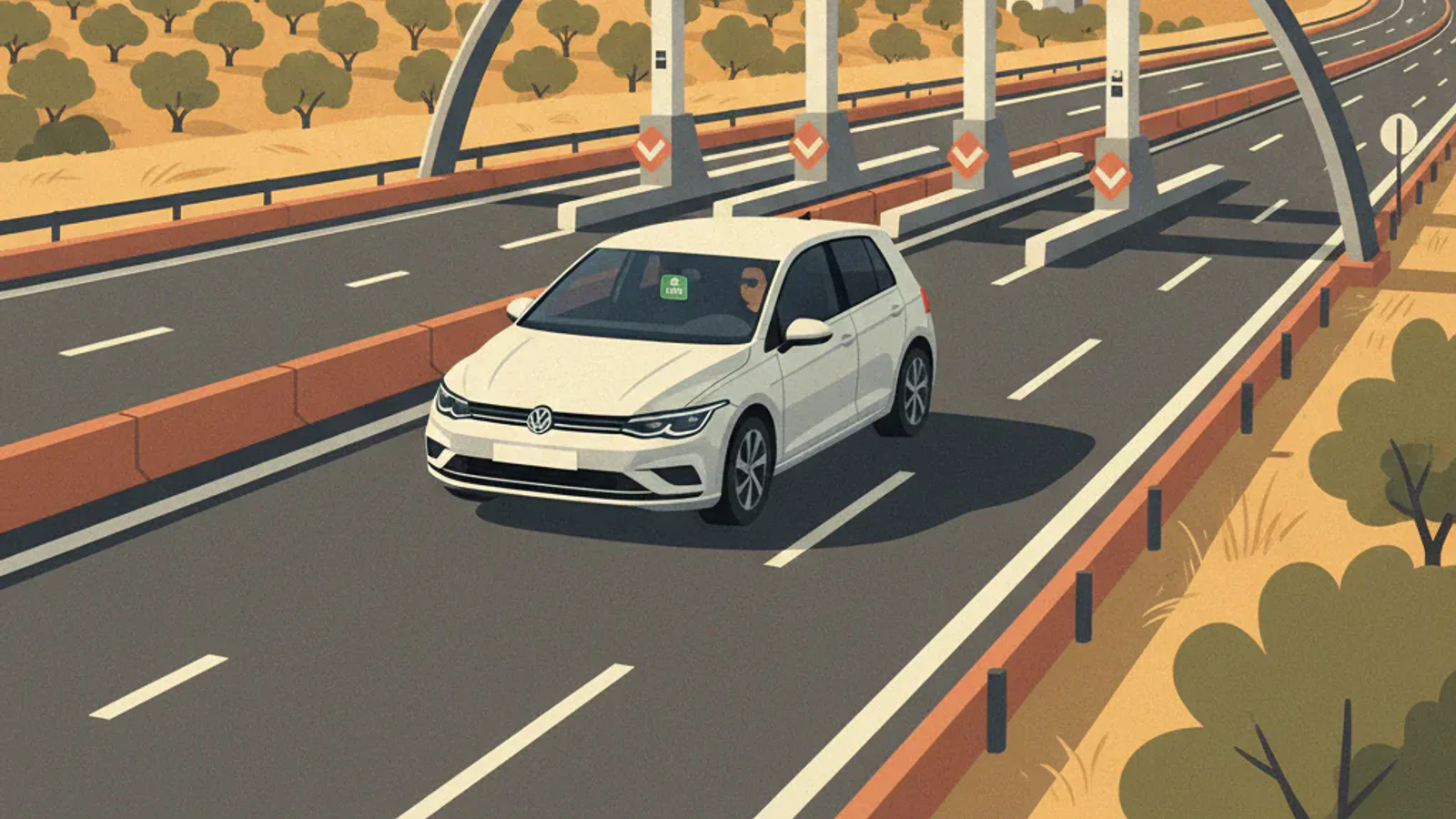
Driving in Portugal
The rules of the road in Portugal are the same as in other European countries and all traffic signals are in accordance with international standards.
Speed Limits
- Urban areas: usually 50 km/h unless otherwise signed.
- Rural roads: commonly 90 km/h where indicated.
- Expressways: often 100 km/h depending on signage.
- Motorways: up to 120 km/h where permitted.
Always follow posted limits above generic guidance, especially on local roads and town entries.
Important Rules
- It is against the law to drive under the influence of alcohol, and this is considered as having a blood alcohol level of 0.5 grams / litre or more.
- Using / Speaking on a mobile phone whilst driving is against the law.
- Do not cross solid white lines.
- Do not park facing against the flow of traffic.
- Baby and booster seats are required up to the age of 12.
Useful Words
- Saída = Exit
- Portagem = Toll
- Combustível = Fuel
- Gasolina sem chumbo = Unleaded petrol
- Gasóleo = Diesel
- Área de serviço = Service area
Motorway Tolls and A22 Update
As of 1 January 2025, the A22 (Via do Infante) in the Algarve is toll-free.
That means typical east-west Algarve travel on the A22 no longer requires electronic toll payment. You can use the motorway without Via Verde registration specifically for A22 use.
Other Portuguese motorways can still be tolled depending on route and operator, so if you leave Algarve or use different corridors, keep normal toll-payment planning for those roads.
For broader toll information in Portugal:
- Portugal Toll Contact Centre: (00351) 21 287 9555
- Website: www.portugaltolls.com
Fuel and Charging Around Tavira
Postos de combustível & ponto de carregamento de automóveis elétricos
Fuel & Charging Locations:
- Galp
- Shell
- Alves Bandeira
- BP
- Repsol
- Charging point | Ponto de Carregamento: Centro Comercial Tavira Gran Plaza
- Charging point | Ponto de Carregamento: Lidl Tavira
Practical driving tips for guests
- Keep some cash/card backup for small parking machines and older toll/payment systems.
- In summer, avoid peak arrivals to beach towns (typically late morning to early afternoon).
- Fill up before Sunday/holiday travel in smaller towns where stations may close earlier.
- For old town visits, park on the edge and walk in rather than driving into narrow historic streets.